

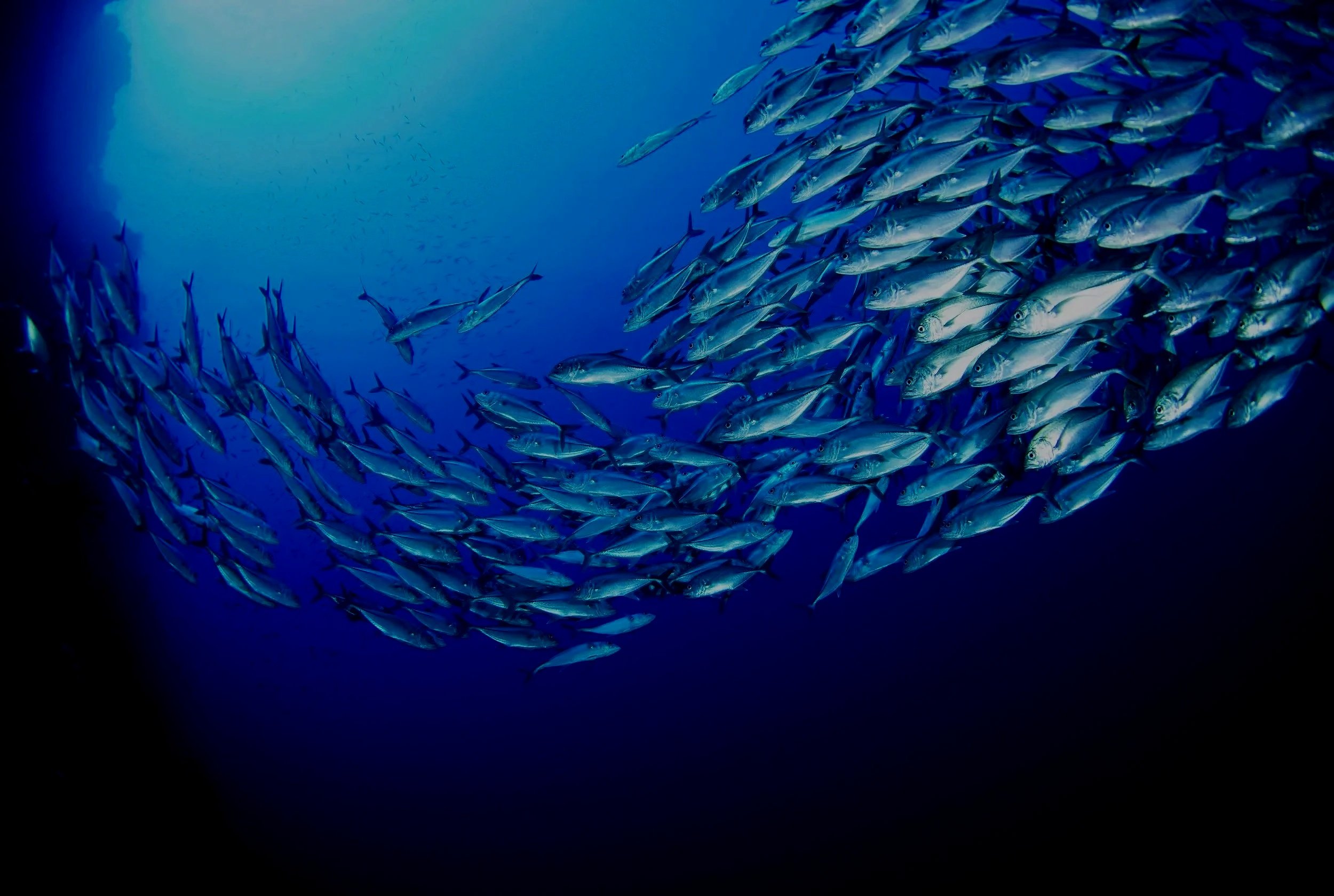
Ocean Health.
Our ocean‑independent ethos.
Marine ecosystems are under increasing pressure globally, and the demand for fish & krill oil continues to strain marine food webs. Our approach to marine nutrients is shaped by a long‑term commitment to supporting these environments.
This page outlines the principles that guide our work and the steps we take to play our part.
Why ocean-independent matters
According to the Food and Agriculture Organisation (United Nations, 2025), 35.5% of global marine fish stocks are overfished and 64.5% are harvested at or near their maximum sustainable limit.
Traditional omega‑3 supplements rely on fish or krill oil — industries linked to overfishing and by‑catch. These oils also differ in contaminant levels due to variation in local pollution and quality control. A 2022 analysis of consumer fish oils identified heavy metals in several samples, including one product containing more than ten times the accepted lead (Pb) limit.
Omega-3s and other marine nutrients can be produced responsibly on land, through algae cultivation or synthetic production, resulting in clean, sustainable nutrition.

We source a pure, EPA-rich oil from a leading bioscience company headquartered in Europe.
Microalgae are the original source of marine omega‑3s and can be cultivated without extracting from the ocean. Grown in closed bioreactors, they eliminate environmental contaminants and provide a clean alternative to fish & krill oil.
Apozem® Omega-3 is:
100% ocean‑independent
Produced without fish or krill
Free from ocean contaminants
Rich in both EPA & DHA
Consistent, clean, and traceable
We source a pure, EPA-rich oil from a leading bioscience company headquartered in Europe.
Microalgae are the original source of marine omega‑3s and can be cultivated without extracting from the ocean. Grown in closed bioreactors, they eliminate environmental contaminants and provide a clean alternative to fish & krill oil.
Apozem® Omega-3 is:
100% ocean‑independent
Produced without fish or krill
Free from ocean contaminants
Rich in both EPA & DHA
Consistent, clean, and traceable
Algal Omega-3:
Our Source of
EPA & DHA
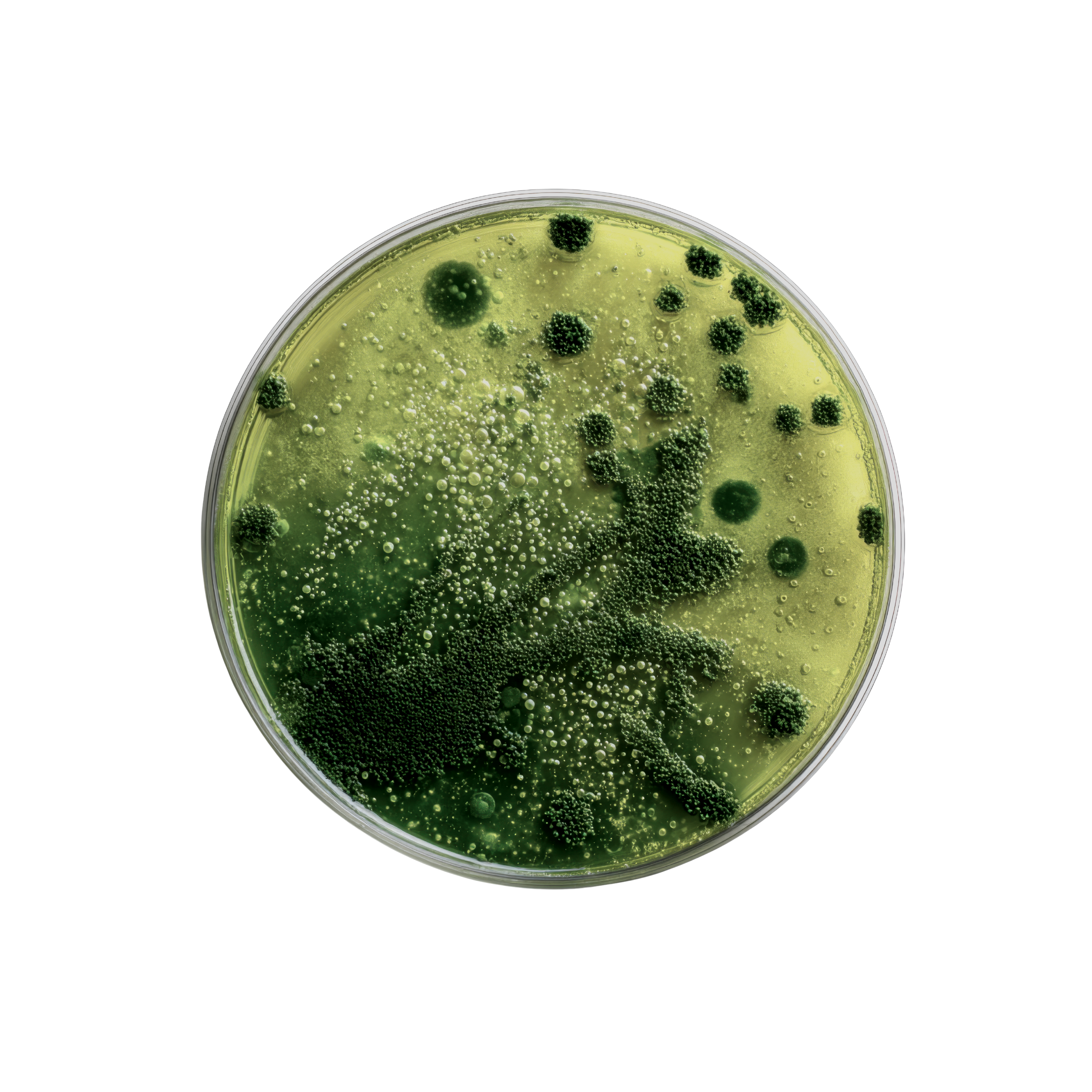
Algal Omega-3: Our Source of EPA & DHA

Supporting Marine Protected Areas
As part of our commitment, we will contribute £1 for every omega-3 bottle purchased to an organisation dedicated to the protection and restoration of marine protected areas. Each Apozem® bottle represents one less bottle of marine oil demanded from the ocean — small but meaningful steps toward reducing pressure on these habitats.
Once a partnership is established, we will share details of the organisation that we support and provide transparent updates on the progress of this initiative.
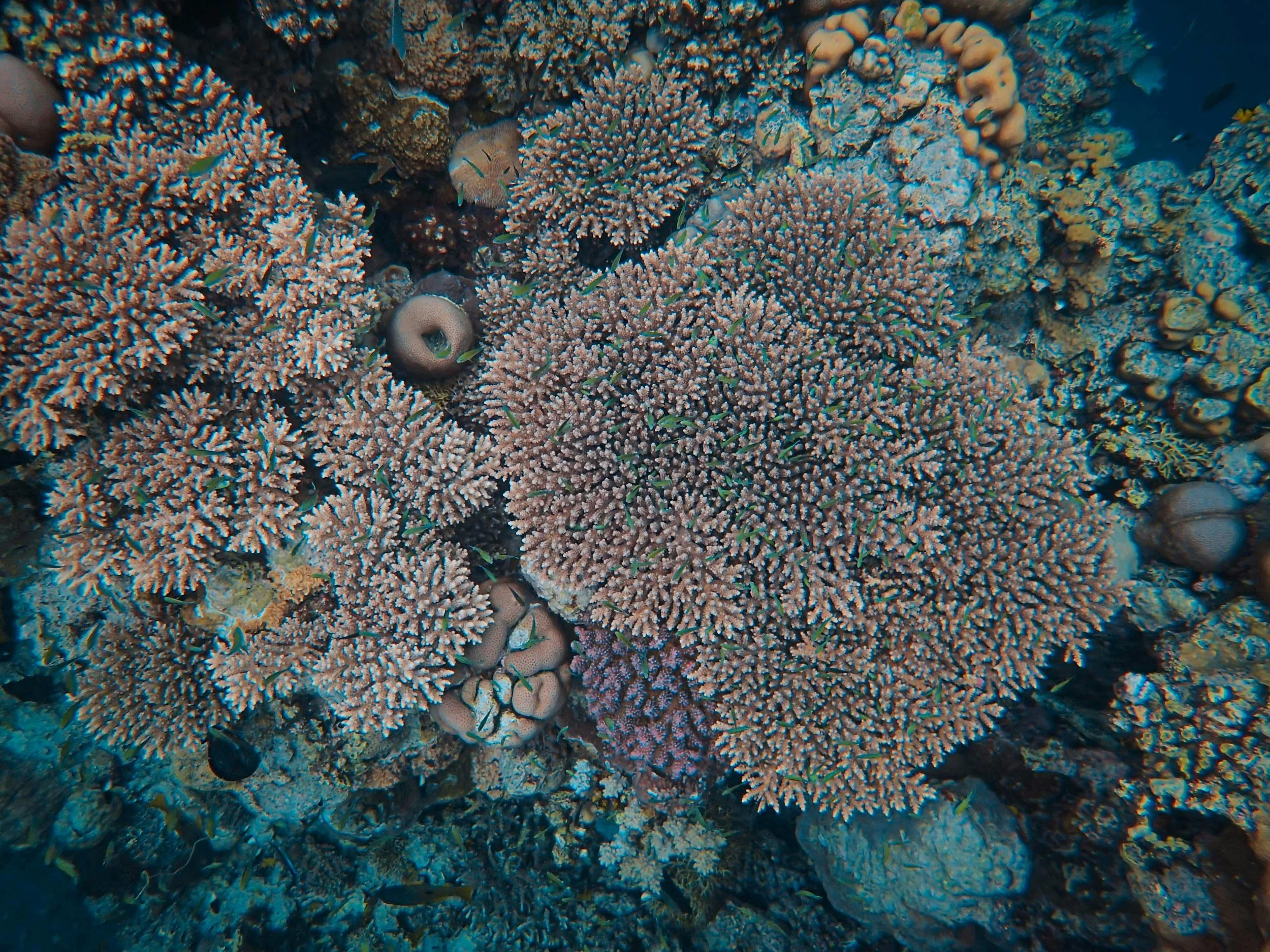
Beyond Ingredients: Our Broader Commitment
Our long‑term vision is to:
Further support conservation initiatives
Publish transparent environmental reports from our work
Maintain low-impact packaging
Collaborate with research groups in marine science
References
1. FAO (2025). Review of the State of World Marine Fishery Resources. United Nations Ocean Conference. Nice, France.
2. Ozyurt, G., Ekmen, D., Durmuş, M. et al. (2022) Assessment of the safety of dietary fish oil supplements in terms of content and quality. Environ Sci Pollut Res 29, 25006 – 25019.