

APOZEM® OMEGA-3
Protecting the oceans. One capsule at a time.

Coming 2026. ↓

Algal, vegan omega-3 with EPA & DHA levels matching marine oils.
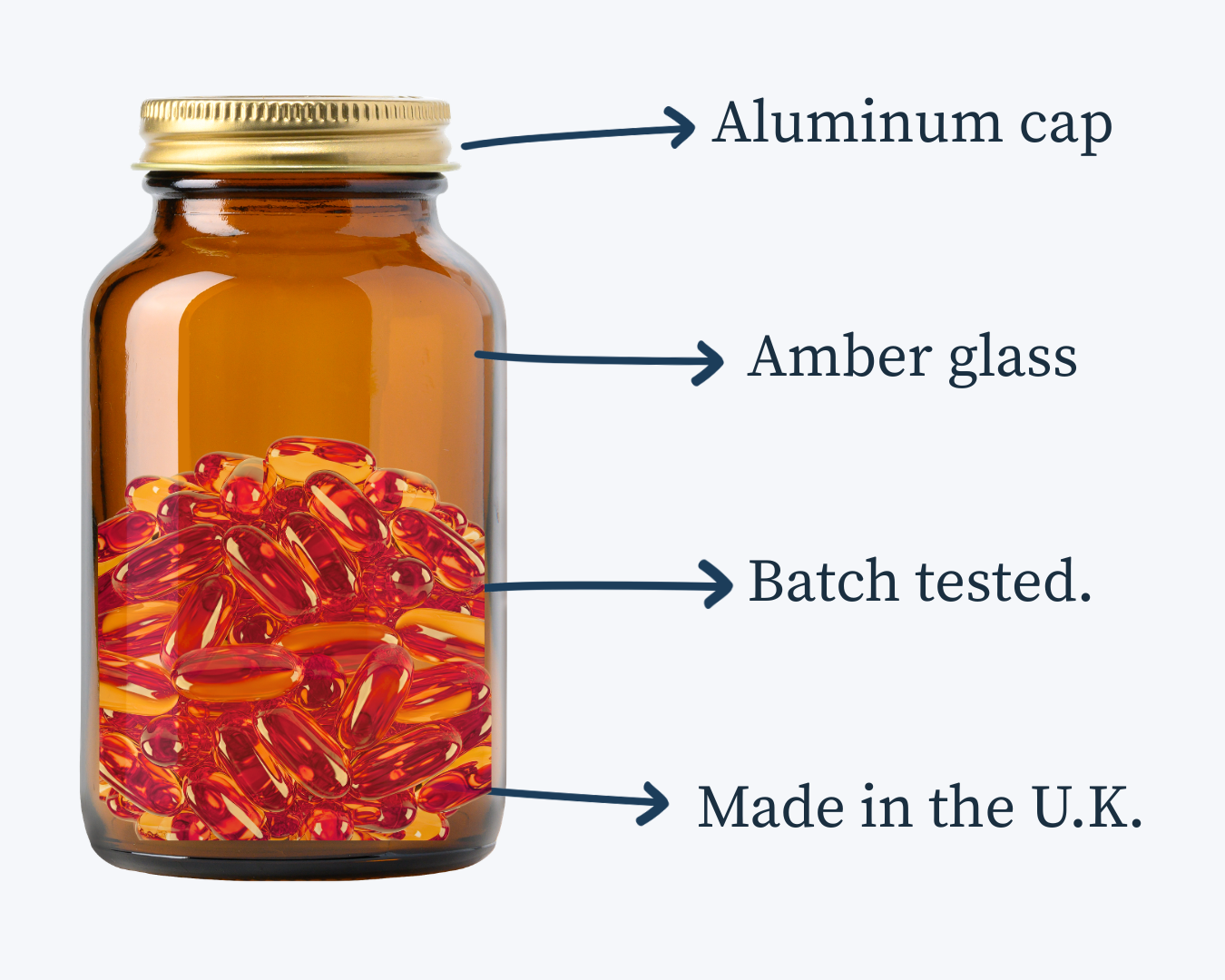
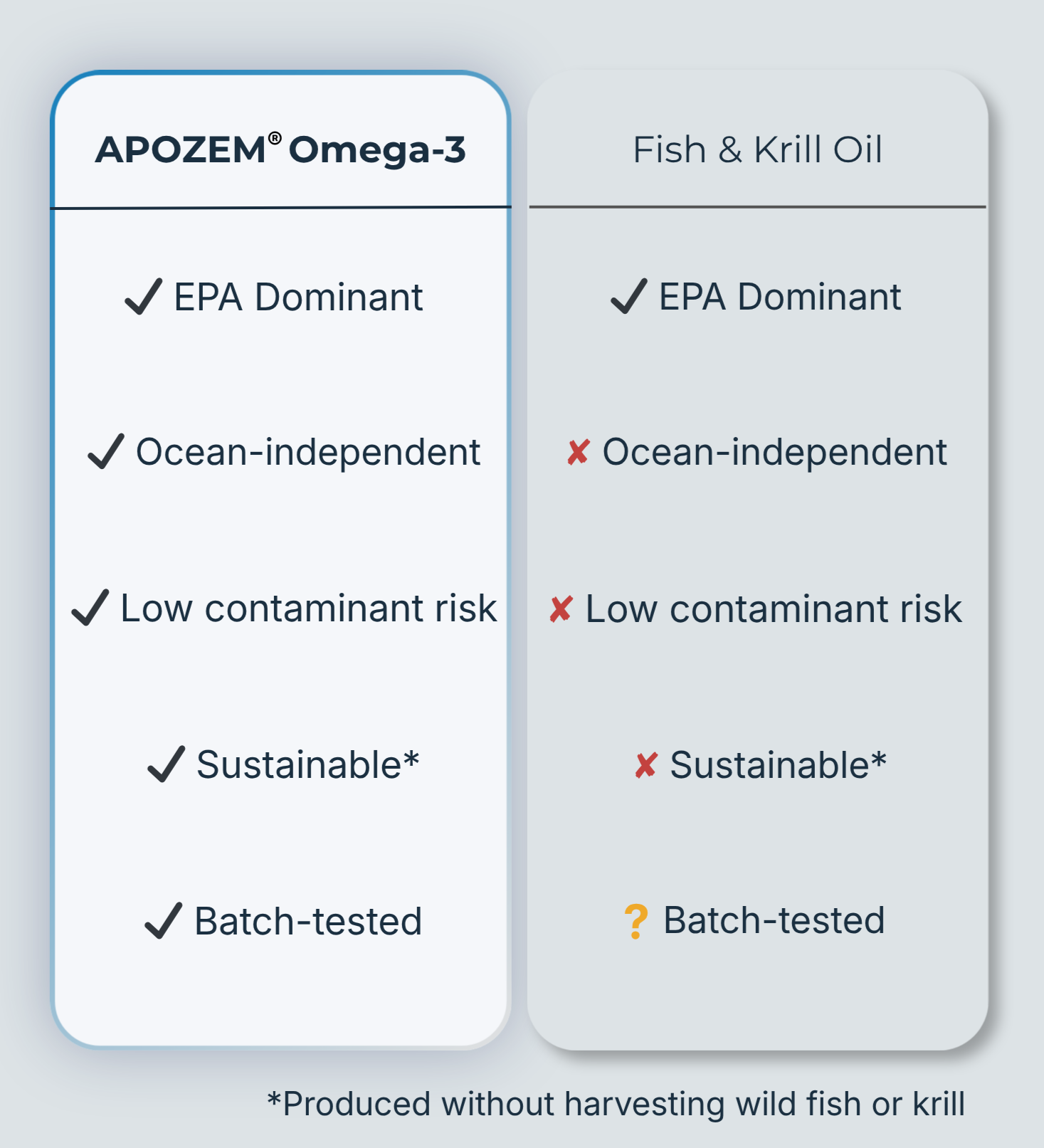
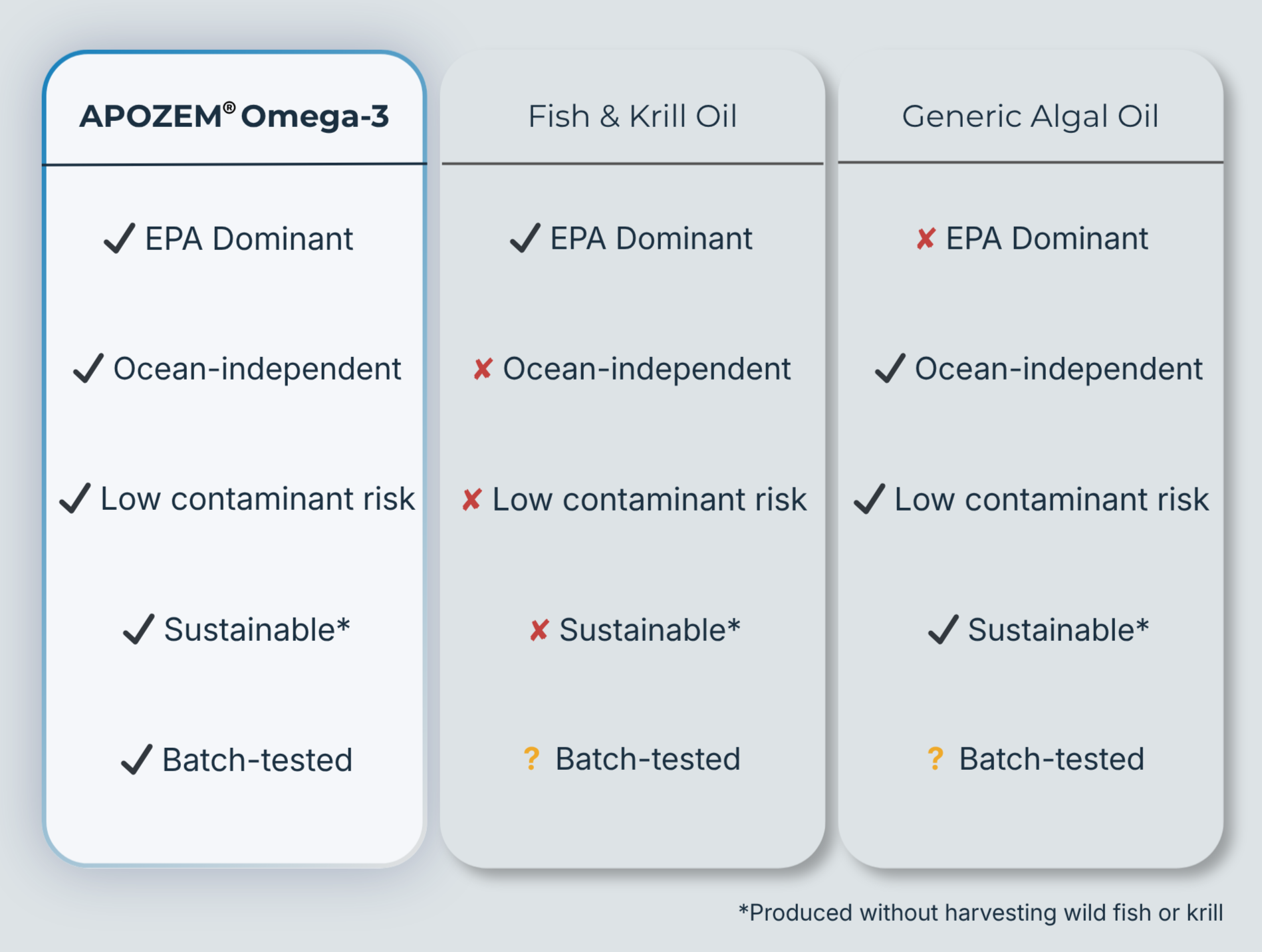
A clean, sustainable alternative to fish & krill oil.
EPA algal oil in a natural triglyceride form. Produced from microalgae. Low risk of contaminants. Zero marine extraction.

OCEAN-INSPIRED

LAND-MADE
APOZEM® Omega-3: Health Claims authorised by the Food Standards Agency

Brain Health
“DHA contributes to the maintenance of normal brain function, and to the development of the brain in children.”

Heart Health
“EPA and DHA contribute to the normal function of the heart.”

Vision
“DHA contributes to the maintenance of normal vision.”
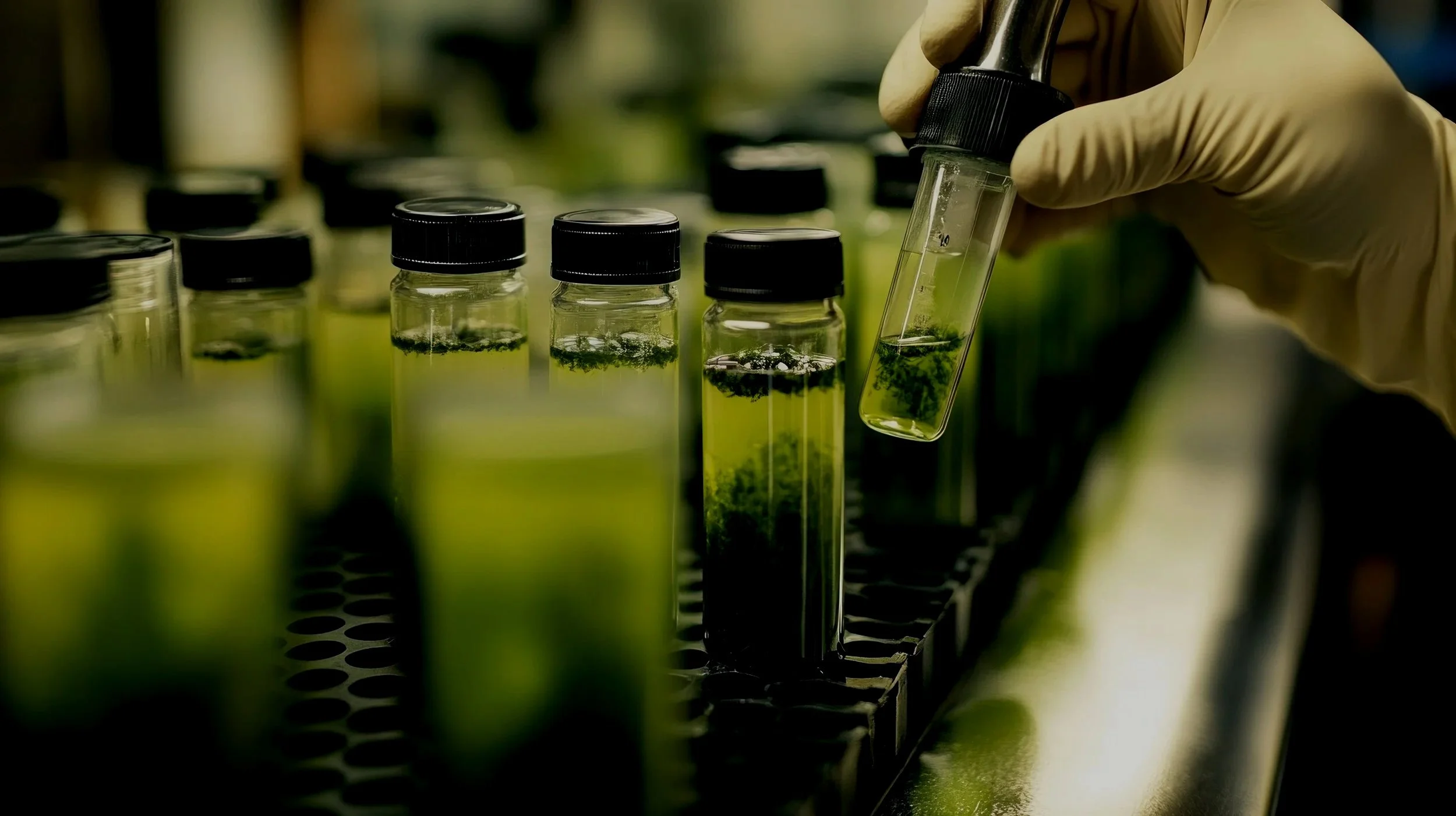
APOZEM® Omega-3 is supplied by a leading bioscience company headquartered in the Netherlands.
The oil is produced through a proprietary fermentation process using a non-GMO strain of marine microalgae, Schizochytrium sp.
The microalgae are cultivated indoors, before being cleanly extracted, refined, and concentrated into a stable triglyceride form. This minimises exposure to environmental contaminants commonly found in fish oil. Learn more
Microalgae are the original source of EPA and DHA in marine ecosystems, supplying fish with their omega-3. Our approach eliminates the need to harvest fish from the ocean.

Third Party Tested

Vegan
(TBC)


cGMP Standards
Clean Label


Made in the UK
Ocean-Independent

Some science.
-
EPA & DHA have been extensively studied for their interactions with a range of biochemical systems, including:
Lipid signalling pathways, including those that generate eicosanoids and specialised pro‑resolving mediators (SPMs)
Cell-membrane phospholipid bilayers and other membrane‑associated structures
The interplay between omega‑3 and omega‑6 fatty acids within lipid networks
Nuclear receptor systems such as PPAR and RXR — central to metabolic research
The distribution of DHA within neural tissues and its role as a structural component in the brain and nervous system
Muscoskeletal physiology and changes to exercise performance and recovery
This information reflects omega‑3 biochemistry. Regulatory and legal frameworks restrict the use of specific health claims or clinical‑outcome studies.
What’s happening now?
Research & Formulation
Ingredient Sourcing
Manufacturing Setup
Regulatory Review
Launch: 2026
2026
Join our email list ↓
2026 Join our email list ↓