

Marine Nutrients Support Human Health.
The Case for Looking to the Ocean
Life first emerged in the ocean, and the earliest cells developed their metabolic machinery in mineral‑rich seawater. Many of the systems that define human physiology today trace back to the marine environment, including ionic balance, membrane structure, and the pathways that support energy production.
Although humans have evolved far beyond those early forms of life, our basic biochemistry still reflects this origin. Today, the elements in marine ecosystems continue to fuel enzyme activity, cell signalling, and homeostasis in humans. This evolutionary link helps to explain why marine‑origin nutrients remain central to human metabolism.
The Ocean as a Complete Nutrient Environment

“The ocean is one of the most diverse nutrient environments on Earth, providing an array of bioactive compounds that enable life across many species. Beyond its well‑characterised mineral composition, the ocean is the primary source of long‑chain omega‑3 fatty acids, along with other interesting compounds that interact with human physiology.”
This breadth is what makes the ocean a complete nutrient environment, rather than a single‑ingredient source. Minerals, lipids, fibres, peptides, antioxidants, and other naturally occurring marine compounds each influence distinct aspects of human metabolism. Together, they illustrate how marine ecosystems can provide a complementary set of nutrients that align with our biology.
By understanding the ocean as a complex nutritional system, it becomes clear that marine‑origin nutrition extends far beyond just minerals. It reflects a broad biological profile that can support human cellular and metabolic function.
How Ocean-Derived Nutrients Influence Human Biology
Nutrients of marine origin interact with several core metabolic processes in humans.
Long‑chain omega‑3 fatty acids contribute to cell membrane fluidity, supporting receptor function and cellular signalling.
Marine minerals are essential in mitochondrial energy production by enabling enzyme activity and maintaining ionic gradients required for ATP production.
These same minerals also support electrolyte balance, which is essential for nerve conduction, muscle function, and hydration.
Antioxidant compounds in these ecosystems contribute to redox balance, helping to manage oxidative stress within cells.
Together, these mechanisms regulate inflammation, cellular energy, and overall metabolic efficiency.
Modern Gaps: Omega‑3 Deficiency and Ocean Contamination
Global intake of long‑chain omega‑3 fatty acids remains far below recommended levels. Recent analyses estimate that 85% of the world’s population do not consume sufficient amounts of omega‑3 fatty acids (1), and that low insufficient omega‑3 intake contributes to a measurable burden of cardiovascular disease and deaths within epidemiological analyses (2). These findings highlight a significant nutritional gap that appears to affect populations across different regions and age groups.
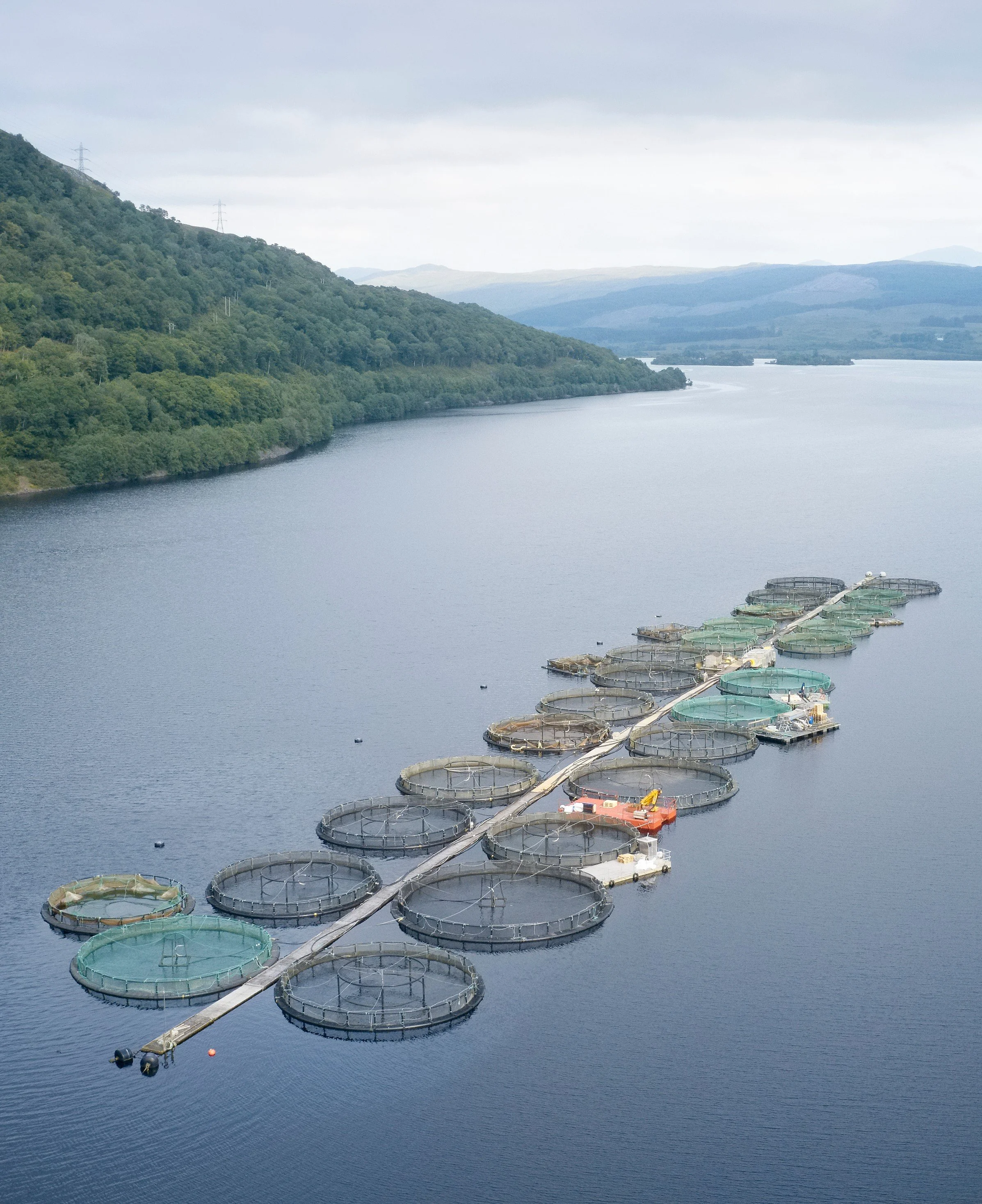
Omega‑3 levels in fish, particularly in farmed salmon, have also declined over the past two decades. This is due to the replacement of traditional aquaculture feed with plant-based oils, which do not contain EPA or DHA. As a result, the omega‑3 content of a typical farmed salmon had fallen by around half between 2006 and 2015 (3), and omega-6 content has increased substantially. This is happening at a time where most modern diets are already overloaded with omega‑6 compared to omega‑3, representing a shift towards fatty‑acid profiles that are less supportive of metabolic health.
At the same time, seafood is increasingly affected by an array of contaminants such as heavy metals, microplastics, and PCBs (4). These substances accumulate in marine ecosystems through industrial discharge, agricultural runoff, and other forms of pollution. These contaminants vary by species and geography but present a growing concern for individuals seeking reliable, uncontaminated omega‑3 intake.
This combination of global omega‑3 insufficiency and rising contaminant exposure highlights the importance of clean and controlled marine-origin nutrients, produced independently of our oceans. This approach supports essential nutrient intake without the variability or ecological pressures associated with farmed or wild‑caught seafood.
Doing It Differently: Marine Nutrition Without Marine Extraction
Instead of relying on fish, krill, or any form of ocean harvesting, essential marine‑origin nutrients can be sourced through methods that do not deplete marine ecosystems or remove any biomass from the ocean. Microalgae can be cultivated on land and minerals can be extracted from ancient geological deposits, providing essential nutrients for humans. This distinction between ocean‑inspired nutrition and ocean‑extracted nutrition is critical to the long-term health of the oceans. By drawing on marine biochemistry without extracting marine life, nutritional science can be aligned with environmental responsibility.
The Ocean is a Blueprint for Human Health
Across human evolution, the ocean has been a meaningful source of nutrition for metabolic health. Long‑chain omega‑3s, essential minerals, and other marine‑derived nutrients are fundamental to normal physiological function, creating a continuity between marine ecosystems and human biology. Today, as modern diets drift further from our ancestral patterns, the principle of ocean‑inspired nutrition remains relevant.
- Sam
References
1. Ciesielski TH. Global access to uncontaminated omega‑3 polyunsaturated fatty acids requires attention. AJPM Focus. 2025.
2. Mao Q, Tian X, Wang X, Xu H, Zhang Y, Kong Y. (2025). Global burden of cardiovascular diseases attributable to diet low in seafood omega‑3 fatty acids from 1990–2021 and forecasting the future trends: A population‑based study. PLOS ONE, 20(2): e0316767. https://doi.org/10.1371/journal.pone.0316767
3. Sprague M, Dick JR, Tocher DR. Impact of sustainable feeds on omega‑3 long‑chain fatty acid levels in farmed Atlantic salmon, 2006–2015. Scientific Reports. 2016; 6:21892. https://doi.org/10.1038/srep21892
4. Taylor B, Ofori KF, Parsaeimehr A, Evrendilek GA, Attarwala T, Ozbay G. (2025). Exploring the complexities of seafood: From benefits to contaminants. Foods, 14(9): 1461. https://doi.org/10.3390/foods14091461