

What is Metabolic Health?
Understanding Human Metabolism — From the Cell to the Body
Metabolic health has become a buzzword, but the concept itself is ancient. Every cell in the human body relies on a continuous flow of energy and nutrients to function. At the centre of this process is a single molecule, adenosine triphosphate (ATP) – the fuel that powers every physiological function, from the firing of neurons to the beating of the heart. ATP is often described as the body’s '“energy currency”, and without it, cells cannot perform even the most basic functions required for life.
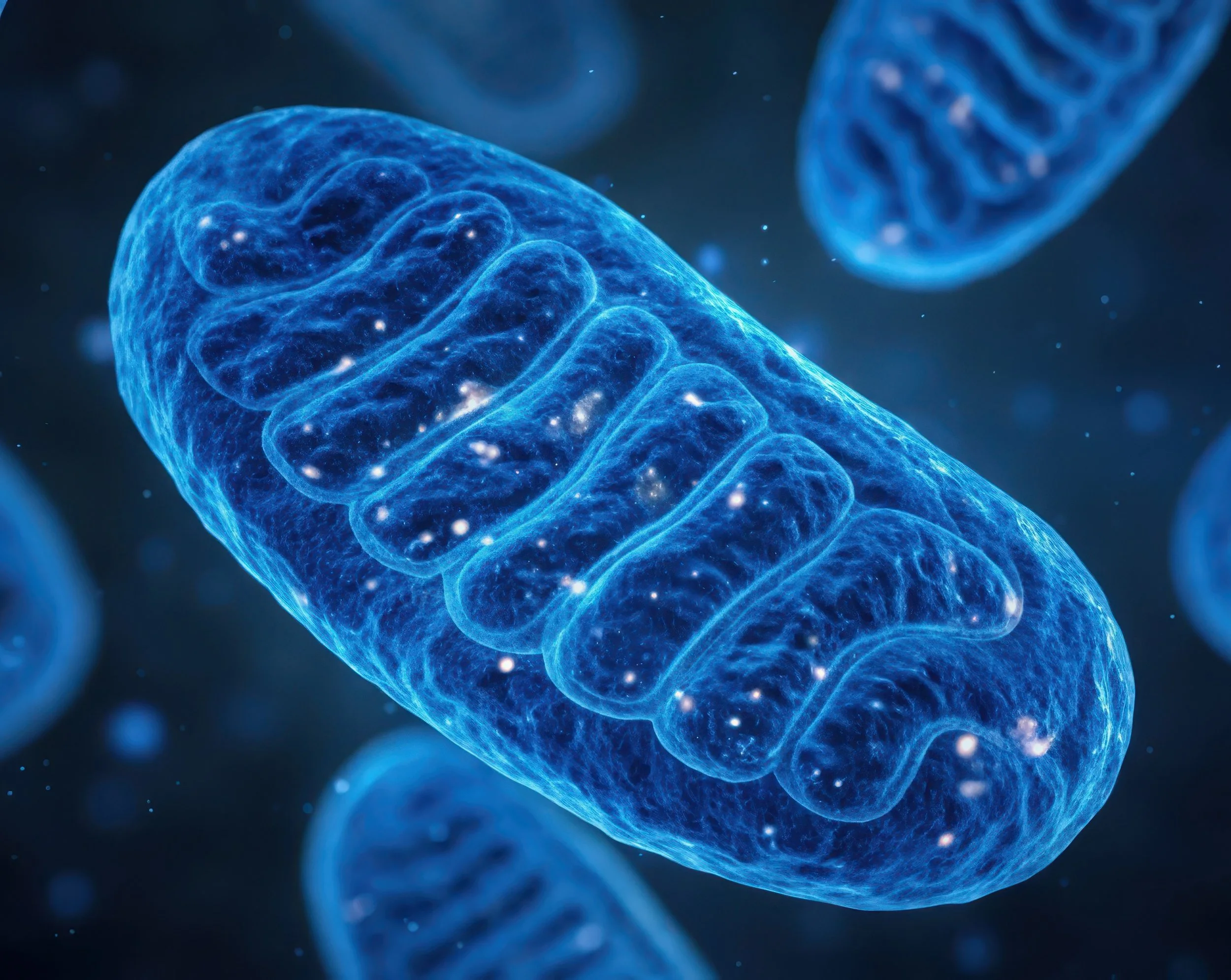
To produce ATP, the body must continuously convert food into usable energy. This is metabolism in its most literal sense: the transformation of nutrients into the chemical energy that keeps us alive. Carbohydrates, fats, and proteins we ingest are broken down into small molecules and fed into our mitochondria (“the cell’s power plant”), where ATP is generated through a series of controlled biochemical reactions.
When this system works well, metabolism is almost invisible – a silent, efficient engine running in the background. When metabolism faults, the consequences are widespread. A faulty metabolism is, at its core, insufficient energy at the level of the cell. When our cells do not produce enough ATP, they begin to malfunction, and over time, tissues lose resilience and organs struggle to maintain normal functions.
A cellular energy deficit contributes to a range of metabolic disturbances, including impaired blood sugar regulation, cardiovascular dysfunction, hormone imbalance, and systemic inflammation. These internal shifts often manifest as everyday symptoms – fatigue, poor sleep, low mood, reduced stress tolerance, and a reduced sense of vitality and wellbeing. If left unaddressed, these early warning signs may develop into chronic disease.
Metabolic health is not just about controlling blood sugar and maintaining healthy bodyweight, it is the capacity of our cells to generate and use energy effectively across the entire biological system. Supporting that capacity is one of the most powerful ways that we can strengthen resilience, restore vitality, and protect our long‑term health.
Hallmarks of Good Metabolic Health
Good metabolic health is not defined by a single test, or the absence of disease. It is a coordinated state in which cells can efficiently produce energy, maintain internal balance, and adapt to changing demands. When metabolism is functioning well, the body operates with a quiet precision, providing stable energy, clear thoughts, restorative sleep, and a sense of resilience.
This is characterised by several hallmarks:

Stable blood glucose and insulin sensitivity – Blood sugar within a healthy range and without elevated insulin to control it.
Efficient mitochondrial function – Mitochondria generate ATP reliably and oxidative stress is low.
Robust metabolic flexibility – The body transitions smoothly between fasted and fed states and between carbohydrate and fat utilisation.
Balanced hormonal profiles – Hormones involved in appetite signalling, stress, thyroid function, sleep, and reproductive health are in synchrony.
Low chronic inflammation – Inflammation rises when needed, such as during infection, injury, or acute stress, but returns to baseline quickly and does not remain persistently elevated.
Restorative sleep and regular circadian rhythm – Sleep is deep, consistent, and restorative. Daily cycles of cortisol, melatonin and temperature follow the natural 24-hour light–dark cycle.
Healthy body composition – Lean mass is preserved, visceral fat is low, and muscles respond well to physical activity and recover efficiently.
Sustained energy and mental clarity – Steady energy throughout the day, emotional stability, mental sharpness, and high capacity to handle stress.
Causes of Metabolic Dysfunction
Metabolism is adaptive. It shifts in response to feeding and fasting, movement and rest, heat and cold, stress and recovery, and for most of human history, this flexibility kept us alive. In modern life however, different pressures are placed on our metabolism that are layered, persistent, and biologically unfamiliar, leading to a loss of metabolic efficiency over time.
1. Nutrient overload and nutrient deficiencies
Modern diets often deliver an excess of energy while providing too few of the nutrients required to process that energy and to sustain healthy cellular function. This imbalance leads to excess glucose and insulin levels, increased fat storage, and widespread deficiencies in vitamins, minerals and other essential nutrients. Ultra‑processed foods (UPFs) not only displace micronutrient‑rich whole foods but often create metabolic stress in their own right. UPFs can disrupt mitochondrial pathways, overwhelm appetite signalling, and provide excess calories without the necessary substrates to handle them effectively.
2. Chronic stress and disrupted circadian rhythms
Persistent psychological stress can wreak havoc on our metabolism. In small, acute bouts, humans handle stress very effectively, as seen in our innate responses to stressors such as adrenaline dumping, cortisol release, and increased glucose mobilisation. This sympathetic (“fight or flight”) activity is pre-programmed and essential for survival, enabling rapid access to energy and heightened alertness in the face of danger.
Modern life, however, presents low‑level, continuous stressors. Careers, finances, digital overload, and cognitive burnout keep the stress response switched on far longer than it was designed for. Over time, chronically elevated stress hormones and inflammatory signals interfere with normal metabolic processes.

Circadian disruption compounds this effect.
Sleep patterns regulate cortisol rhythms, cellular repair, and the hormonal signals that govern energy balance. When sleep is insufficient or irregular, metabolism shifts into a less efficient, more inflammatory state, reducing the body’s capacity to repair and maintain stable energy.
3. Environmental exposures
Modern environments expose us to an array of chemical stressors that were largely absent throughout human evolution. Microplastics, heavy metals, industrial chemicals, synthetic fragrances, and other pollutants are now widespread, raising concern for our health.
These exposures are often subtle but persistent, accumulating through air, water, food, and consumer products. While the effects of some pollutants remain uncertain, others are now well documented, with evidence linking chronic exposures to oxidative stress, inflammation, disrupted cellular signalling, and hormonal imbalance.
Research in this area has historically been limited by ethical, financial, and methodological constraints. However, interest is growing as these exposures become more prevalent and measurable.
4. Sedentary patterns and technology
Human metabolism evolved with regular movement, temperature variations, natural light exposure, and periods of physical challenge. Modern life has removed the need for many of these inputs, even though our physiology still largely depends on them.
Today, many people do not move enough, rely heavily on technology, and spend long hours indoors under artificial light and in climate‑controlled spaces. This behavioural mismatch gradually pushes us away from the conditions that our biology expects.
Although factors such as artificial light exposure, climate-controlled environments, and technology are often overlooked or regarded with scepticism, a growing body of scientific research suggests that these exposures can influence circadian rhythms, hormonal signalling, and overall metabolic regulation.
Future science-led articles in Apozem’s Library will explore these topics for their known and potential impacts on human metabolism.
A Clearer Path Forward
Metabolic health is not a single pathway, biomarker, or dietary rule. It is the sum of how our cells produce energy, how our tissues communicate, and how our environment interacts with our biology. When these systems work in harmony, the body operates with efficiency and resilience.
Understanding these foundations gives us a clearer view of where modern life places pressure on biology, and where meaningful improvements can be made.
Apozem takes a food‑first philosophy to nutrition, recognising that whole foods provide the core nutrients and biological cues that human metabolism depends on. Targeted supplementation can complement this foundation, helping to fill gaps and support specific pathways where modern diets and environments fall short.
In the articles that follow, Apozem will explore the nutritional, environmental, and lifestyle factors that shape metabolic health, and the practical steps that can support cellular energy, metabolic flexibility, and long‑term health.
— Sam

This article is for educational purposes only. It is not medical advice and is not intended to promote or endorse Apozem products.